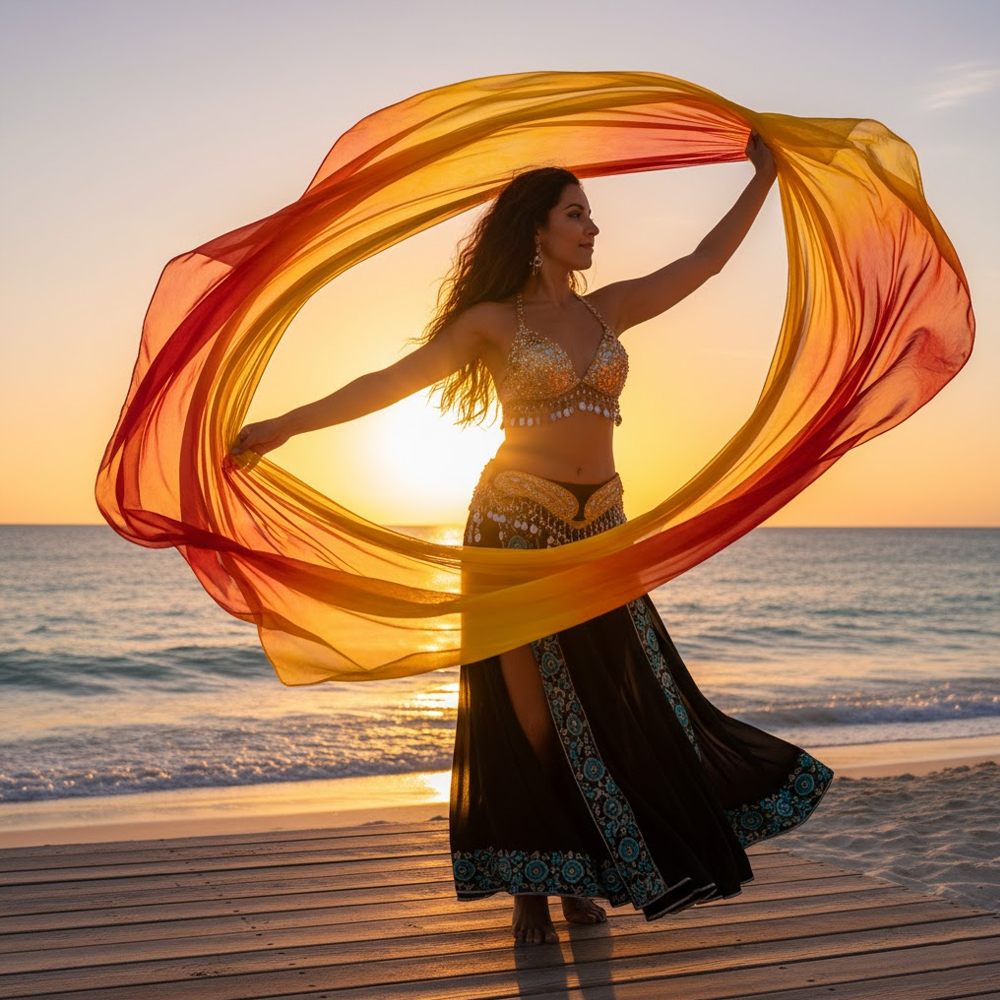
Flow arts are more than a performance — they are a way of moving, expressing, and connecting. When I first encountered flow art, I realized it wasn’t just about spinning objects or learning tricks. It’s a creative dialogue between body and motion, between focus and freedom. From poi inspired by Māori traditions to modern LED hoops and staff spinning, the world of flow is as diverse as it is mesmerizing.
What Are Flow Arts?
A fusion of dance, meditation, and object manipulation
Flow arts bring together ancient and modern disciplines that explore movement and rhythm. It’s where martial arts meet dance, where juggling meets mindfulness. In my own experience, flow art is a form of meditation in motion — a chance to play, move, and rediscover your own rhythm.
The philosophy behind “flow” and creative movement
The term flow comes from psychology — that state of complete immersion where time fades and movement feels effortless. Practitioners often describe it as a sense of balance between challenge and control. In flow arts, this philosophy becomes physical: through repetition and motion, we train the body to think less and feel more.
Main Types of Flow Arts
Poi spinning — from Māori roots to modern LED poi
Poi originated with the Māori people of New Zealand, used traditionally for strength and rhythm training. Today, poi has evolved into an expressive art with LED or fire props. The circular patterns create hypnotic visuals, while the rhythm syncs breath, movement, and emotion.
Staff and double staff — balance, rhythm, and control
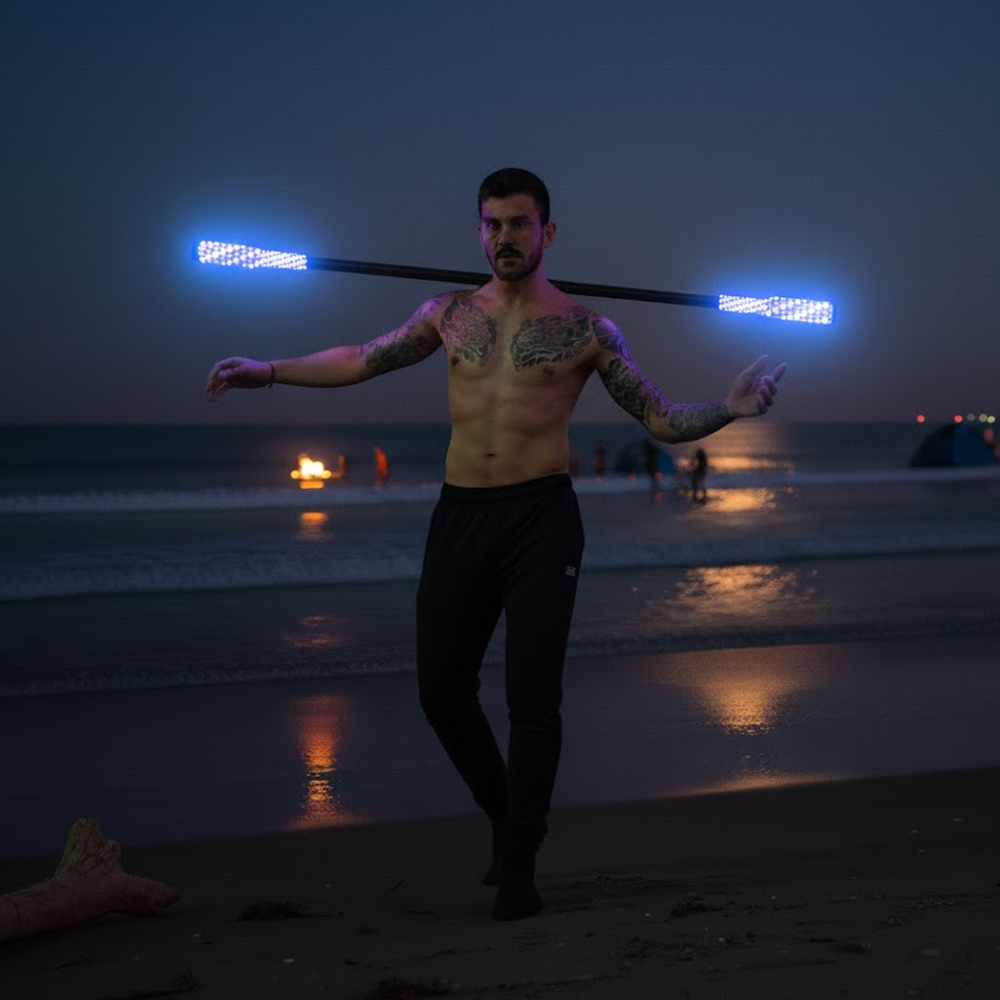
The staff is one of the most iconic flow tools. Whether you’re spinning one or two, it challenges coordination and focus. Personally, I find staff flow to be grounding — a moving meditation that builds both patience and precision.
Hooping — circular motion and freedom of expression
Beyond childhood nostalgia, hooping has become a vibrant flow discipline. It engages the core, promotes body awareness, and allows endless creative freedom. It’s common to see flow artists using multiple hoops or combining dance styles to create mesmerizing performances.
Dapo Flow Star — rhythm, control, and creativity
The Dapo Flow Star has emerged as a modern hybrid prop, blending the grace of dance with the technique of contact flow. It allows fluid, star-like rotations that emphasize rhythm and control. What I love about this prop is how it pushes creativity — you don’t just spin it, you compose with it, letting your movement paint invisible patterns in the air.
Fans, juggling, and contact manipulation — grace and technique
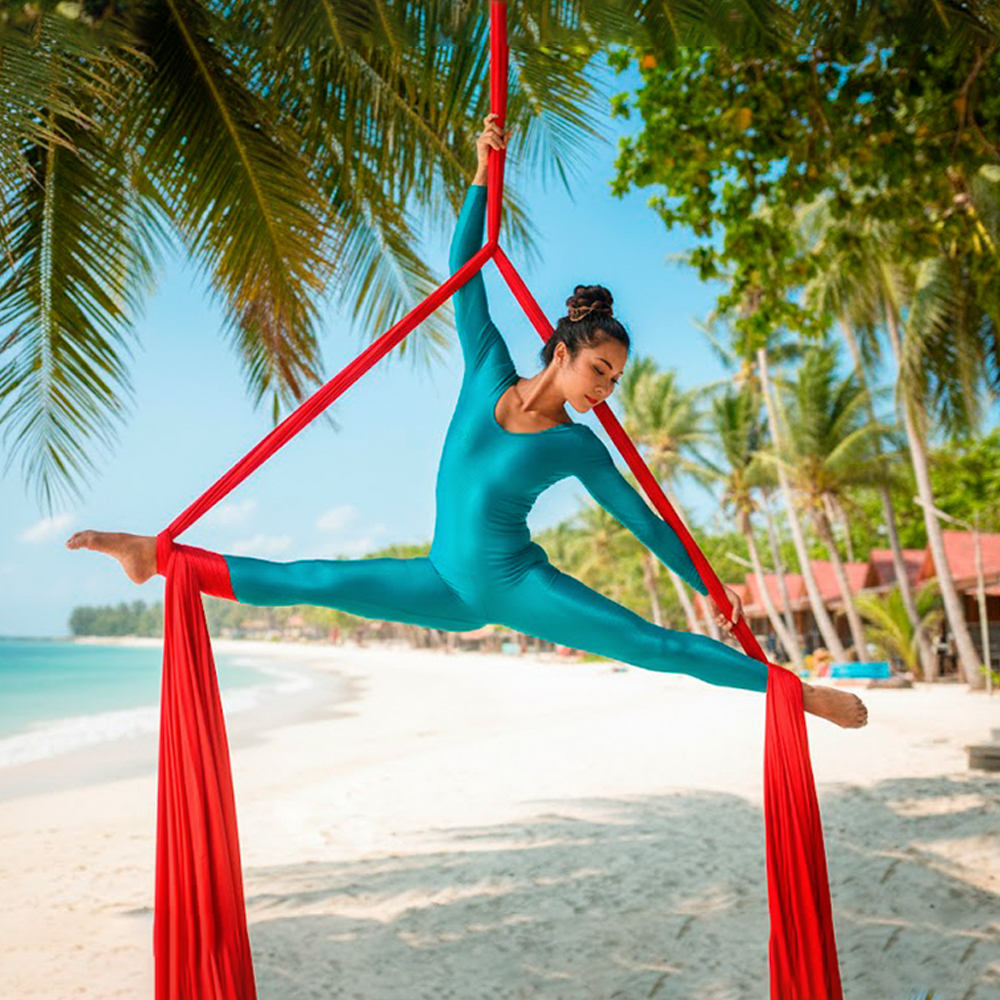
Fan spinning, contact juggling, and other forms of prop manipulation emphasize elegance and timing. They require patience and awareness — perfect for anyone who enjoys mastering fine motor control while expressing artistry.
Flow Arts as a Form of Meditation and Self-Expression
How movement connects body, mind, and emotion
Flow arts unite physical and emotional awareness. Every repetition — every circle, toss, or spin — deepens the connection between thought and motion. For me, it’s a moving mindfulness practice, one where silence and rhythm coexist.
The meditative side of repetition and rhythm
Practicing flow arts often feels like breathing through movement. The rhythm itself becomes a mantra, guiding you toward calm and focus. Over time, the line between training and meditation disappears — you simply flow.
How to Start Practicing Flow Arts
Choosing your first prop
Beginners often start with poi or hoops, as they’re versatile and accessible. The key is to pick a prop that feels natural and safe for practice — you can always explore fire or LED tools later.
Finding your rhythm and community
Flow arts thrive on community. Join local groups, attend flow jams, or share your progress online. You’ll find that the culture values inclusion, creativity, and mutual growth — it’s one of the most supportive creative communities out there.
Tips for developing your unique flow style
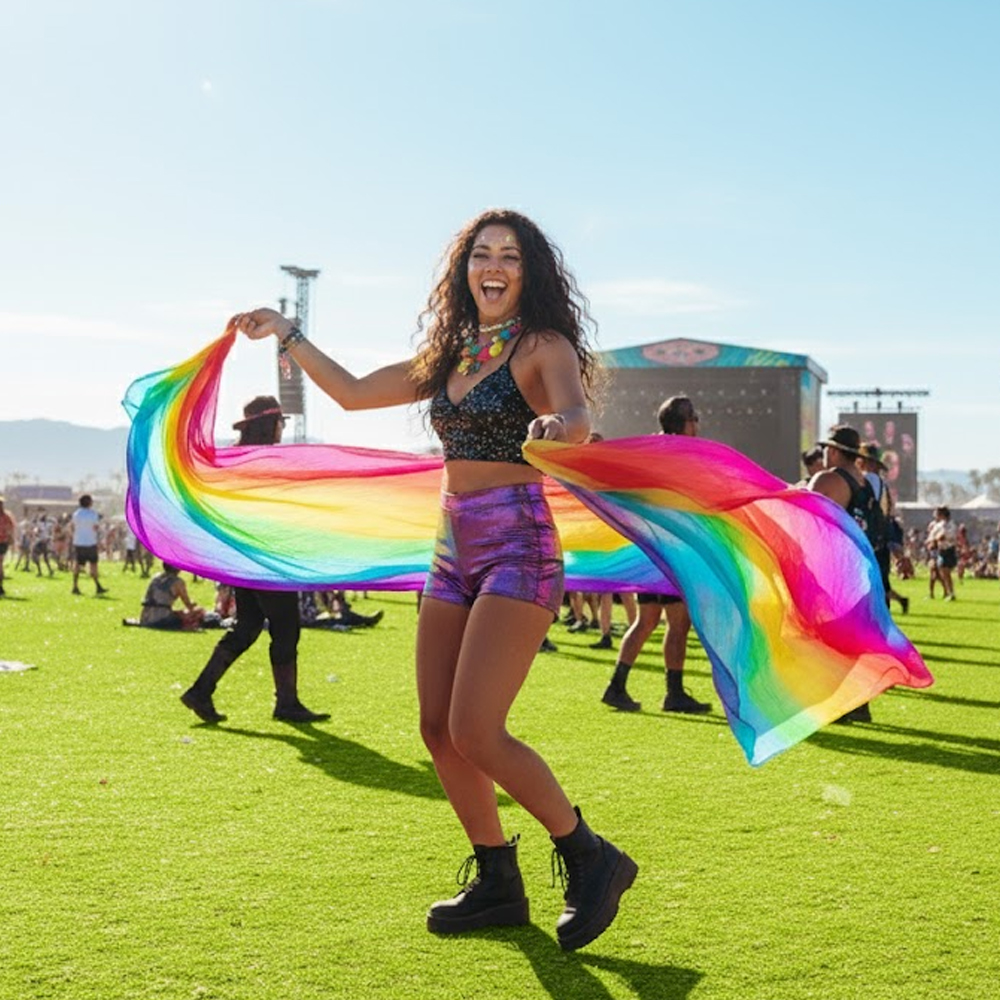
Don’t rush technique. Instead, explore how your body likes to move. Experiment with music, tempo, and props. As I discovered, true flow comes when you stop trying to imitate and start listening to your own movement.
Benefits of Practicing Flow Arts
Physical fitness and coordination
Flow arts build balance, endurance, and coordination. You’ll develop flexibility, spatial awareness, and fine motor control — all while having fun.
Stress release and mindfulness
Because it combines rhythm, focus, and breath, flow art is a natural stress reliever. The repetitive motion invites relaxation and presence, similar to tai chi or yoga.
Creativity, focus, and flow state
Practicing regularly nurtures creative thinking and deep focus. It’s an art that encourages expression through discipline, helping you stay centered while expanding your imagination.